TSONT Outlines Key Criteria for Selecting a High-Quality LCM Liquid Crystal Module Factory
SHENZHEN, GUANGDONG, CHINA, October 29, 2026 /EINPresswire.com/ -- Selecting a High-Quality Lcm Liquid Crystal Module Factory requires more than comparing product prices or display specifications. For businesses developing industrial equipment, smart home devices, medical instruments, security systems, and other electronic products, supplier evaluation involves display performance, manufacturing consistency, technical compatibility, quality management, and long-term supply reliability. TSONT, a Shenzhen-based technology company specializing in the research and development, design, production, and sales of small and medium-sized TFT liquid crystal display modules, highlights several important considerations for businesses sourcing display components for commercial and industrial applications.
Display Specifications Form the Foundation of Supplier Evaluation
The first step in selecting an LCM supplier is to establish the technical requirements of the intended application. Liquid crystal modules vary in screen size, resolution, interface, viewing characteristics, physical dimensions, and controller configuration. These differences affect how a display integrates with a host device and performs in its operating environment.
For example, a handheld terminal may require a compact display with limited power consumption and a suitable interface, while an industrial control panel may prioritize readability, stable operation, and compatibility with existing electronic systems. Smart home terminals and building intercom systems may require a different balance of screen size, resolution, touch functionality, and installation dimensions.
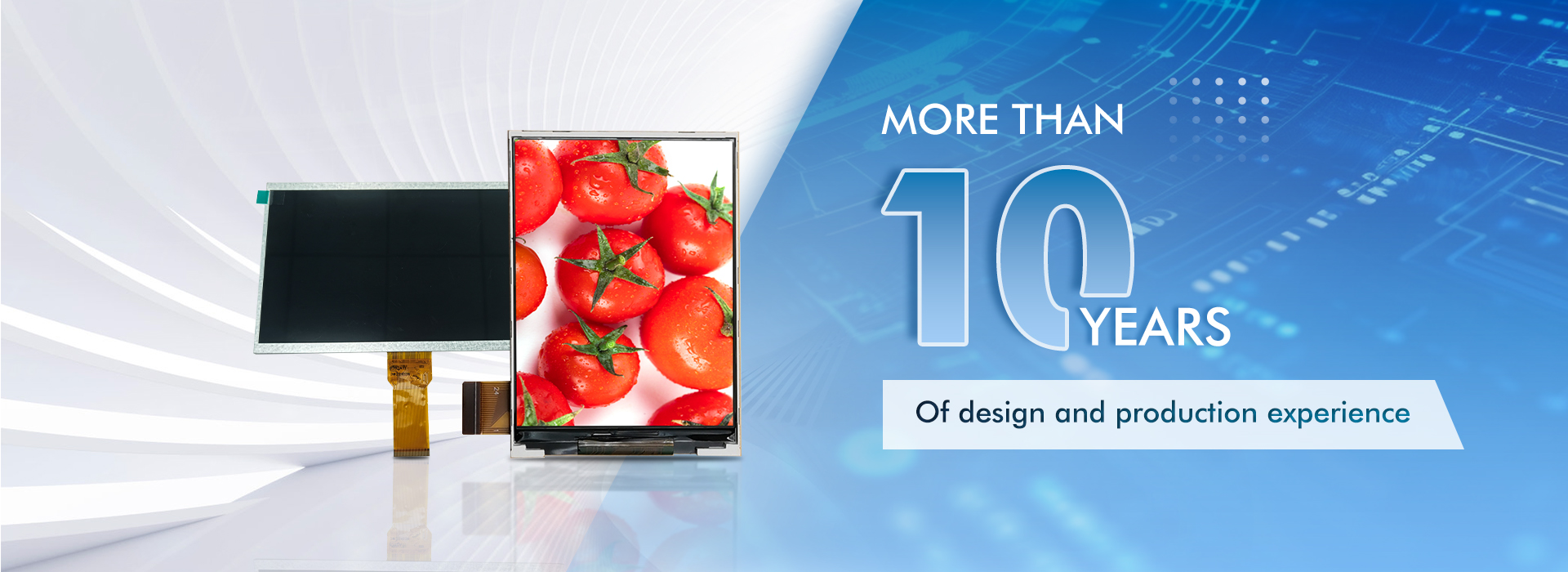
TSONT provides standard TFT LCD modules in a range of sizes and configurations. Its product portfolio includes compact screens as well as larger display options, with models featuring different resolutions, interfaces, pin configurations, and controller ICs. Reviewing these specifications before placing an order helps buyers identify suitable components and reduce the risk of integration problems during product development.
Manufacturing Experience and Technical Capabilities Matter
A reliable display manufacturer needs more than a catalog of available modules. Research and development capabilities, production management, and technical experience all contribute to a supplier's ability to support different application requirements.
Shenzhen TSONT Electronics Co., Ltd. specializes in small and medium-sized TFT LCD modules, with its business covering research and development, design, production, and sales. According to its company information, its products serve applications including handheld devices, smart devices, smart homes, Internet of Things equipment, medical devices, baby monitors, building intercoms, security access control, financial point-of-sale terminals, and industrial equipment.
This breadth of applications illustrates why buyers should assess whether a factory understands the operating requirements of their target products. A display intended for a medical instrument, for example, may have different integration and reliability requirements from one used in a consumer smart device. Manufacturers with relevant technical experience may be better positioned to discuss specification matching, interface compatibility, and practical design considerations.
Buyers should therefore examine a supplier's existing product range, technical documentation, engineering support, and experience with similar applications before making a sourcing decision.
Quality Management Should Be Supported by Consistent Processes
Quality control is another central consideration when evaluating an LCM liquid crystal module factory. Inconsistent display performance or dimensional variation can create problems during assembly, increase inspection requirements, and affect the reliability of finished equipment.
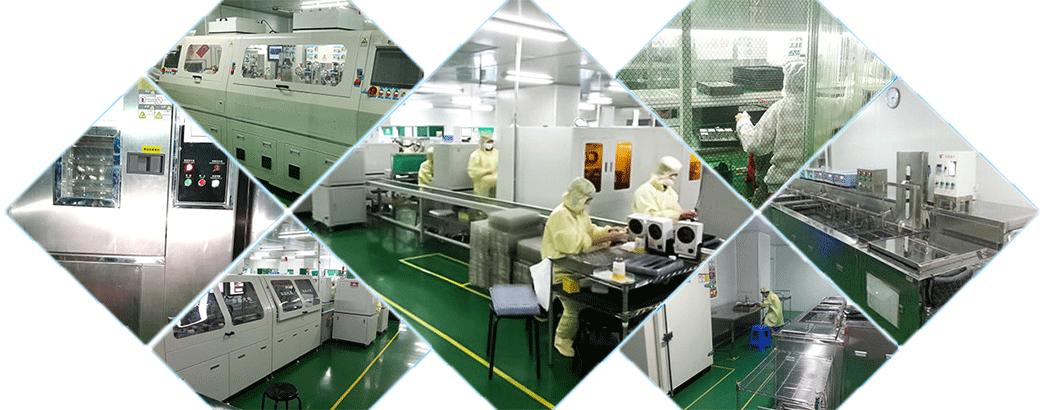
A structured quality management system can help manufacturers establish repeatable procedures for production oversight and product inspection. TSONT states that it implements an ISO 9001 quality management system and maintains production and inspection equipment supported by experienced professional management personnel.
For buyers, the practical question is how a supplier's quality procedures relate to the requirements of a specific project. Relevant discussions may include incoming material controls, production inspections, functional testing, dimensional checks, and final product verification. The exact inspection plan should reflect the module's specifications and intended application rather than relying on general claims about product quality.
Before approving a supplier, purchasers can request available quality documentation, product specifications, inspection records, and clarification of the manufacturer's procedures for handling nonconforming products. Establishing acceptance criteria before mass production can also help both parties maintain consistent expectations.
Standard TFT LCD Modules Help Simplify Product Selection
Standardized display modules can provide a useful starting point for manufacturers seeking components for established product designs. Rather than developing every display configuration from the beginning, buyers can compare existing models against their technical requirements and identify options that meet the project's essential parameters.
TSONT's standard TFT LCD product range includes models with different screen sizes, resolutions, interfaces, dimensions, and driver IC configurations. The published listings cover compact displays and larger options, allowing engineers to review technical details when assessing potential modules for integration.
When comparing standard modules, buyers should pay attention to several factors. Resolution must be appropriate for the information displayed, while screen dimensions and active display area need to fit the enclosure design. Interface compatibility is equally important because the module must communicate correctly with the host controller. Pin assignments, operating requirements, viewing characteristics, and the availability of relevant technical documentation should also be reviewed.
A model that appears suitable based on screen size alone may not be compatible with the existing hardware. Confirming the full specification before ordering samples can help reduce redesign work and shorten evaluation cycles.
Application Compatibility Should Guide the Final Decision
The most suitable LCM supplier is not necessarily the factory offering the lowest unit price. Buyers should evaluate the relationship between module specifications, production requirements, integration costs, and the expected lifecycle of the finished product.
For industrial equipment, the evaluation may focus on interface stability, operating conditions, mechanical integration, and product availability. For smart home systems and building intercoms, screen dimensions, viewing performance, and compatibility with the device's electronic architecture may be particularly important. Medical devices and testing instruments may require additional project-specific documentation and verification procedures.
TSONT's stated application coverage across industrial equipment, medical devices, smart homes, security systems, and other human-machine interfaces provides a reference point for buyers considering its display products. Nevertheless, each project should be assessed individually, with technical suitability confirmed against the actual design requirements.
Buyers should also clarify whether a standard product can meet the intended specifications or whether customization is necessary. TSONT describes its display solutions as customizable according to customer requirements. Before proceeding, purchasers should confirm the available customization scope, tooling or engineering implications, sample arrangements, minimum order quantities, and production lead times directly with the supplier.
Communication and Supply Reliability Support Long-Term Cooperation
Supplier selection does not end when a technically suitable module is identified. Clear communication and dependable coordination are important throughout sample evaluation, design validation, production, and repeat ordering.
A structured procurement process should define the approved model number, specification revision, testing requirements, packaging expectations, delivery schedule, and procedures for managing design changes. These details help prevent misunderstandings between engineering, purchasing, and manufacturing teams.
TSONT reports that it has established long-term cooperative relationships with manufacturers and receives support from domestic and international LCD glass and integrated circuit suppliers. Such relationships form part of its operating background, while buyers should independently assess the supply continuity and delivery arrangements relevant to their own projects.
For recurring orders, purchasers can discuss forecast planning, component availability, production scheduling, and the process for communicating any changes to product specifications. These measures can help improve coordination and support more predictable procurement.
A Structured Approach to LCM Factory Selection
Selecting a high-quality LCM liquid crystal module factory requires a balanced assessment of technical specifications, engineering capabilities, quality management, application compatibility, and supply coordination. Reviewing these factors systematically allows buyers to move beyond price-based comparisons and make decisions that better reflect the requirements of their finished products.
With its focus on small and medium-sized TFT LCD modules, standard display offerings, and applications across multiple electronic equipment sectors, TSONT provides a potential sourcing option for businesses evaluating liquid crystal display components. The final choice should depend on verified specifications, project-specific testing, documented quality requirements, and direct confirmation of commercial and production conditions.
For further information about TSONT's company background, standard TFT LCD modules, and available display solutions, visit the official website: https://www.tsont.com/
Shenzhen TSONT ELEC. Co., Ltd.
+ +86-13798331077
tsontsz@126.com
Legal Disclaimer:
EIN Presswire provides this news content "as is" without warranty of any kind. We do not accept any responsibility or liability for the accuracy, content, images, videos, licenses, completeness, legality, or reliability of the information contained in this article. If you have any complaints or copyright issues related to this article, kindly contact the author above.